

Sub-Total: $0.00
Tips for Buying Used Video Games: A 2026 Guide
Table of Contents
- Why Buying Used Video Games Still Makes Sense in 2026
- How to Inspect Discs, Cartridges, and Hardware Before You Buy
- How to Spot Fake Video Games and Reproduction Cartridges
- How to Clean Used Game Discs and Cartridges Safely
- The Value of Physical Media vs Digital Downloads
- Pricing, Trade-Ins, and Where to Find Reliable Inventory
- Shipping and Storing Your Used Game Collection
- Frequently Asked Questions
Last Updated: October 3, 2026
Why Buying Used Video Games Still Makes Sense in 2026
Buying used video games remains one of the smartest ways to build a collection without overspending, and in 2026 the second-hand market is bigger than ever. A growing number of gamers now prefer physical copies they can hold, trade, and resell. This guide walks you through every step, from inspecting a scratched disc to spotting a fake cartridge.
The appeal is simple. New releases cost more each year, while pre-owned titles drop in price fast. You also get something digital stores can’t offer: a game you truly own.
Below, we’ll show you exactly how to inspect, clean, price, and store used games so you never waste money on a bad copy.
How to Inspect Discs, Cartridges, and Hardware Before You Buy
Always inspect a used game before you pay for it. A two-minute check saves you from a disc that won’t load or a cartridge that won’t save. Start with the case, then work your way to the game itself.
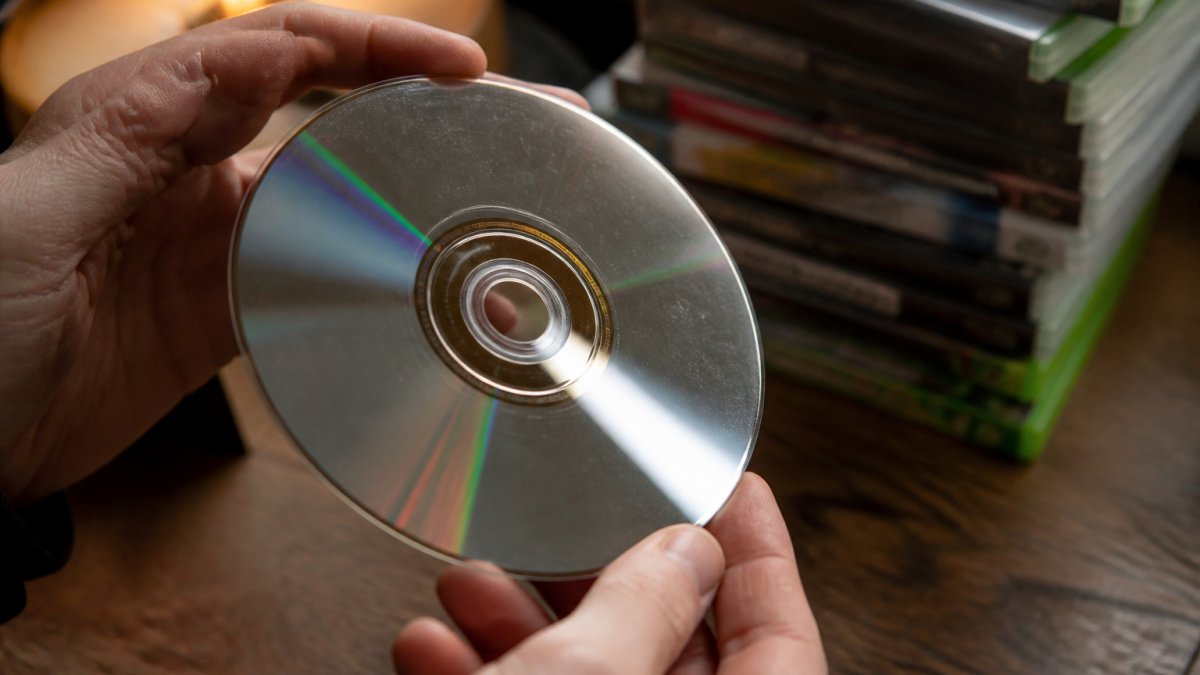
Reading Disc Condition and Resurfacing Limits
Hold the disc under a light and tilt it. Light surface scratches usually play fine. Deep gouges that catch your fingernail are a warning sign.
Resurfacing can fix minor scuffs, but it removes a thin layer of plastic. A disc can only be resurfaced so many times before it stops working.
Cartridge Pins, Labels, and Console Compatibility
For cartridges, check the metal pins for corrosion or grime. A dirty cartridge often just needs a cleaning. Also confirm the label matches the game, since swapped labels are common.
One more thing: some consoles are region locked. A cartridge from another region may not boot on your system.
How to Spot Fake Video Games and Reproduction Cartridges
Fake games are the biggest trap in retro collecting, and most guides stop at “the label looks blurry.” That is not enough. A reproduction is a copy manufactured to imitate an original, often sold at original prices.
Start With the Shell and Label
Work from the cheapest check to the most invasive one, so you only ask a seller for board photos when the outside already looks suspicious.
- Print quality. Genuine labels are printed with sharp, saturated art. Reproductions often show dot-pattern halftoning, muddy gradients, or colors that are slightly off from a known original.
- Font and spacing. Compare the trademark symbol, the seal of quality, the part number, and the copyright line against a verified original. Fakes frequently use the wrong typeface weight or misalign the seal.
- Label texture and adhesive. Originals typically have a matte or lightly glossed finish with clean edges. Repros often use glossy sticker paper that peels at the corners or shows a visible cut line.
- Shell plastic and molding. Genuine shells have consistent color, crisp mold seams, and correctly sized screw posts. Repros often feel lighter, have a slightly different shade, or show tooling marks around the screw holes.
- Screws. Many authentic cartridges use a specific security or tri-wing screw. If the screw head is a plain Phillips where the original used a security bit, that is a strong signal the shell has been opened or replaced.
- Weight and feel. A reproduction board is often thinner and lighter. If you have a known original of the same platform, compare them in hand.
Check the Board and the Save Hardware
This is where reproductions fall apart, and it is the step most buyers skip.
- Ask for clear photos of the PCB. A legitimate seller of a rare game will usually provide them. Refusal is itself information.
- Look at the chip layout. Authentic boards have a recognizable arrangement of mask ROM, save chip, and support logic. Repros often use a single blob chip, a flash chip with a visible brand, or a board that is obviously newer than the shell.
- Check the save battery. Many original cartridge games use a coin-cell battery for saves. If a game that should have a battery does not, or the battery holder looks soldered in a way the original never used, treat it as suspect.
- Inspect solder joints. Factory solder is uniform and shiny. Hand rework shows uneven blobs, flux residue, or reflowed pads.
- Verify the board revision. Collector databases and platform-specific wikis list known-good board revisions and part numbers. Match the board to the game, not just the shell.
Know the High-Risk Categories
Some games attract counterfeits far more than others. The pattern is simple: high demand plus high price equals high counterfeit volume. Popular role-playing games, rare platform exclusives, and any title with a well-known collector premium are the usual targets. If a rare game is listed well below the going rate and the photos look “too clean,” slow down.
Watch Out
Reproduction cartridges often sell for original prices online. If a rare game looks too cheap and too perfect, ask the seller for board photos before you buy. A seller who will not send them is telling you something.
Reproduction cartridges often sell for original prices online. If a rare game looks too cheap and too perfect, ask the seller for board photos before you buy. A seller who will not send them is telling you something.
Test Before the Return Window Closes
Even a cartridge that passes every visual check can fail in play. Boot it, start a new save, play long enough to trigger a save, power off, and reload. Some reproduction boards boot fine but cannot hold a save, and some have timing issues that only appear after extended play. Run this test inside the return window every time.
Pro Tip
Keep a known-original copy of one common game for each platform you collect. It becomes your reference standard for label color, shell weight, screw type, and board layout, and it costs almost nothing.
Keep a known-original copy of one common game for each platform you collect. It becomes your reference standard for label color, shell weight, screw type, and board layout, and it costs almost nothing.
How to Clean Used Game Discs and Cartridges Safely
Cleaning a used game is easy if you use the right method. Knowing how to clean used game discs the wrong way can scratch them for good.
For discs:
- Wipe from the center straight out to the edge
- Use a soft, lint-free cloth
- Never wipe in a circle
For cartridges:
- Dip a cotton swab in rubbing alcohol
- Gently scrub the metal pins
- Let it dry fully before testing
Skip harsh chemicals and paper towels. They leave scratches and residue.
The Value of Physical Media vs Digital Downloads
The value of physical media vs digital comes down to control. A disc or cartridge is yours to keep, lend, trade, or resell.
That distinction matters more now than it did a decade ago, because the used market has quietly expanded into something riskier: secondhand digital accounts. Understanding how those transfers actually work is the difference between a bargain and a locked door.
What You Actually Own With Each Format
- Physical. You own the media. It works offline, it survives platform shutdowns, and it has a resale market. Its limits are physical: scratches, disc rot, dead save batteries, and wear.
- Digital, bought on your own account. You hold a license, not the file. It is convenient and often cheaper during sales, but it is tied to the account, the platform, and the platform’s continued support.
- Digital, bought as a “pre-loaded” account. You own nothing. You are renting access to someone else’s account, and the seller usually retains the recovery information.
How Account Transfers Actually Work, and Where They Break
A “pre-loaded account” sale typically means the seller hands over login credentials for an account that already owns the games. Sometimes they also hand over the email address tied to it. Sometimes they do not.
The failure modes are consistent:
- Recovery reclaim. Whoever controls the original email, phone number, or security questions can usually recover the account and lock you out. If the seller keeps that email, they keep the account.
- Terms of service violations. Most major platform agreements prohibit selling, buying, or transferring accounts. Enforcement can mean a permanent ban on the account, and on any purchases you made on it.
- Shared-account schemes. Some sellers sell the same account to multiple buyers. You may find yourself competing for a single active session, or locked out when someone else changes the password.
- Chargeback and fraud fallout. If the original purchase was made with a stolen card, the platform can revoke the games or suspend the account after the fact.
- No recourse. Peer-to-peer account sales usually fall outside buyer protection programs. Once the money is gone, it is gone.
The Practical Rule
If a listing’s main selling point is “huge library included” or “account with hundreds of games,” treat it as a red flag rather than a deal.
If you want digital convenience, buy games directly on your own account during a sale. If you want something you can resell, lend, or pass down, buy physical. Those are the two positions that hold up.
Watch Out
Account transfers can violate platform terms, and sellers can reclaim access later using the original recovery email or phone number. There is usually no buyer protection on peer-to-peer account sales.
Account transfers can violate platform terms, and sellers can reclaim access later using the original recovery email or phone number. There is usually no buyer protection on peer-to-peer account sales.
Where Physical Still Wins on Longevity
Physical games hold resale value in a way digital licenses do not. They can be played offline, they are not dependent on a storefront staying online, and they can be inspected before purchase. That last point is the quiet advantage: with a cartridge or disc, you can verify what you are buying. With an account, you are trusting a stranger’s word about a login you may not keep.
Key Takeaway
Buy physical when you want something durable and resellable. Buy digital on your own account when you want convenience. Avoid buying someone else’s account entirely, the risk is not worth the discount.
Buy physical when you want something durable and resellable. Buy digital on your own account when you want convenience. Avoid buying someone else’s account entirely, the risk is not worth the discount.
Pricing, Trade-Ins, and Where to Find Reliable Inventory
Smart pricing keeps you from overpaying. Before you buy, check recent sold listings to learn the current market price.
Complete in box (CIB) copies cost more because they include the case and manual. Loose discs and cartridges cost less.
Where to find reliable inventory:
- Local game and media shops
- Trade-in events and store credit programs
- Online marketplaces with seller ratings
- Collector forums and swap meets
A trade-in turns games you’re done with into credit for new finds. That’s how a collection keeps growing without draining your bank account.
Shipping and Storing Your Used Game Collection
Protect your games after you buy them. Good storage and shipping keep their resale value high for years.
For shipping:
- Use a padded envelope or small box
- Wrap discs in a sleeve, then bubble wrap
- Tape the case shut so it doesn’t pop open
- Add “Do Not Bend” on the outside
For storage:
- Keep games out of direct sunlight
- Store cartridges upright, not stacked
- Control humidity to prevent label damage
- Clean pins before long-term storage
Treat every game like it’s rare, and it will stay valuable.
Pro Tip
Test every used game within the return window, even if it looks perfect. Some disc rot and save-battery failures only show up after a few hours of play.
Test every used game within the return window, even if it looks perfect. Some disc rot and save-battery failures only show up after a few hours of play.
Frequently Asked Questions
What should I look for when buying used video games?
Check the disc underside for deep scratches that catch a fingernail, and make sure the label is intact. For cartridges, inspect the pins for corrosion and confirm the label matches the official print. Ask whether the original case and manual are included, since complete in box copies hold higher resale value. If you’re buying in person, request a quick test on a working console before paying.
How can I tell if a used game disc is damaged?
Hold the disc under a light and tilt it. Light surface scuffs usually still play fine, but deep radial scratches or any scratch you can feel with a fingernail often cause read errors. Discoloration or a cloudy haze can mean heat damage. If you’re buying online, ask the seller to describe the disc condition and confirm the return policy before you commit.
Are used video games worth the investment for collectors?
Some are. Sealed or complete in box copies of older titles, especially those with limited print runs, have held or grown in resale value. Most common titles stay affordable and are better treated as playable purchases than investments. Use a price charting tool to check recent sold listings before paying a premium, and factor in condition, region lock, and whether manuals are included.
Is it safe to buy pre-owned video games from online marketplaces?
It can be, if you take a few precautions. Buy from sellers with clear photos of the actual item, not stock images. Read the return policy and check whether the listing mentions reproduction cartridges. For higher-value games, ask for a short video showing the game booting up. Local shops that buy and trade pre-owned games give you a chance to inspect the item in person.
Building a used game collection takes patience, but the payoff is real. You get games you own, prices you control, and a hobby that grows in value over time. At Greatest Hits Music & Books, we make it easy with a curated mix of used games, movies, and nostalgic finds, plus cash and store credit for your pre-loved media. Visit us to browse our collection and find your next favorite treasure.