

Sub-Total: $0.00
Benefits of Buying Used Physical Media
Table of Contents
- Why Used Physical Media Matters
- Ownership and Long-Term Access
- Cost Savings and Affordable Collecting
- How to Check Used CDs and DVDs Before Buying
- Tips for Buying Used Video Games
- Used Vinyl Records: Quality, Rarity, and Collecting
- Resale, Lending, and the Environmental Case for Used Media
- Frequently Asked Questions
Last Updated: October 7, 2026
Why Used Physical Media Matters
Buying used physical media has become more than a budget choice, it’s a deliberate decision about ownership, access, and what you actually value in entertainment. At Greatest Hits Music & Books, we’ve watched collectors and casual browsers alike rediscover the appeal of tangible formats. The shift isn’t about rejecting digital; it’s about recognizing what physical media offers that streaming never will.
Physical media gives you something streaming services cannot: permanence. When you own a DVD, vinyl record, or book, no algorithm can remove it from your collection. No subscription cancellation erases your library. This permanence matters more than many people realize until they lose access to something they loved.
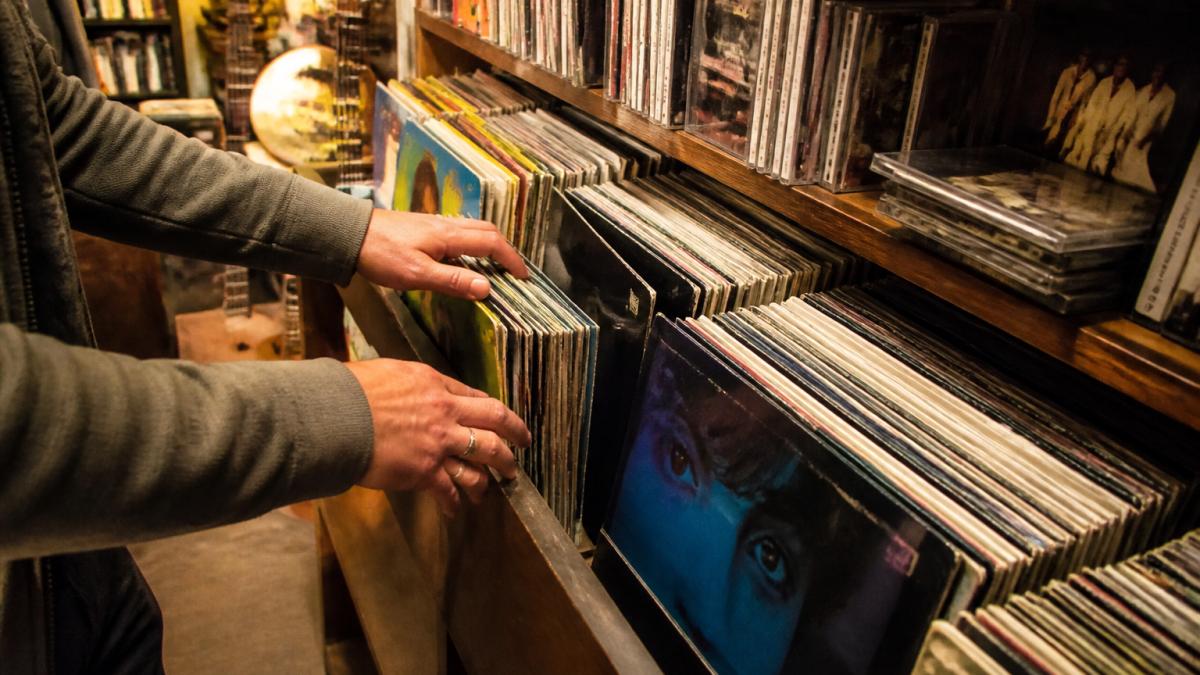
The economics work in your favor too. Used physical media costs significantly less than new releases, and often far less than maintaining multiple streaming subscriptions. A single used album might cost what you’d spend on a month of music streaming, and you keep it forever.
Ownership and Long-Term Access
When you purchase used physical media, you own it outright. This distinction matters more than it sounds. Streaming services operate on access, not ownership, you’re renting the right to listen or watch as long as you maintain your subscription. Physical media is yours to keep, sell, lend, or trade.
Long-term access is guaranteed regardless of internet connectivity. Travel to areas with poor internet, experience an outage, or simply prefer offline entertainment, your physical collection remains available. This reliability appeals to collectors who want their media independent of service provider decisions or technical failures.
Used physical media also preserves your access to older content that may no longer be available on streaming platforms. Out-of-print albums, discontinued movies, and rare books find new life through the used market. Studios remove content from streaming catalogs regularly, but a physical copy you own stays accessible indefinitely.
The resale value of physical media creates a secondary market that benefits buyers. You can purchase used items at a fraction of new prices, then resell them later if your tastes change. This transferability, the ability to pass media between owners, is impossible with digital purchases, which typically come with licensing restrictions.
Cost Savings and Affordable Collecting
Used physical media is cheaper at the sticker, but the real advantage shows up in total cost of ownership, the price of the item plus the equipment, storage, shipping, and the resale value you can recover later. Most articles stop at the sticker. Here’s the fuller math.
Sticker price by format. Used CDs and mass-market paperbacks are routinely the cheapest entry points, often selling for a few dollars or less at thrift stores, library sales, and used-media shops. Used Blu-rays and 4K discs cost more than DVDs but still far below new-release pricing. Used vinyl spans the widest range: common pressings of popular albums are inexpensive, while original pressings, first issues, and audiophile labels can cost many times a reissue.
The equipment line item. Physical media requires a player. A DVD or Blu-ray player, a CD player, a turntable with a cartridge and stylus, a game console, or a computer with an optical drive all carry upfront cost. Turntables add ongoing cost: styli wear out and need replacement, and a worn stylus damages records. Consoles need controllers and, for online features, a subscription.
Storage and organization. Shelving, sleeves, inner sleeves for vinyl, jewel cases, and disc binders all cost money and space. A large collection can require dedicated furniture. Digital libraries require none of this, which is a genuine trade-off rather than a pure win for physical.
Shipping and sourcing. Buying used online adds shipping, and condition risk rises when you can’t inspect in person. Local purchases avoid shipping but limit selection. The cheapest total cost usually comes from a mix: local shops and library sales for common titles, online for specific pressings or out-of-print items.
Resale recovers part of the cost. Unlike digital purchases, used physical media can be sold, traded, or given away. A used CD bought for a few dollars might resell for a similar amount, making the effective cost of ownership close to zero for titles that hold value. Vinyl and games with collectible status can appreciate. This resale floor is the single biggest difference between physical and digital economics.
Cost-per-use comparison. A used album replayed dozens of times costs pennies per listen. A streaming subscription for the same music, maintained over years, accumulates far more in total spending, and stops the moment you cancel. For heavy rewatchers and relisteners, ownership wins on cost-per-use; for casual, one-time viewers, a subscription or rental can be cheaper.
Pro Tip
Before buying, add up the item price, shipping, any needed equipment or accessories, and storage. Then subtract a realistic resale estimate. That net number is the true cost, and it’s usually lower than the sticker suggests for titles you’ll keep.
Before buying, add up the item price, shipping, any needed equipment or accessories, and storage. Then subtract a realistic resale estimate. That net number is the true cost, and it’s usually lower than the sticker suggests for titles you’ll keep.
Greatest Hits Music & Books makes collecting accessible by offering used items, letting you mix budget purchases with premium finds. Store credit for trade-ins means your old items fund new acquisitions without cash outlay.
How to Check Used CDs and DVDs Before Buying
Inspecting used CDs and DVDs before purchase protects you from damaged media that won’t play. A few simple checks take seconds and prevent frustration.
Start with the disc itself. Hold it up to light and look for scratches, cracks, or discoloration. Minor surface scratches near the outer edge are usually harmless. Deep scratches, especially in the center or data areas, indicate potential playback problems. Cracks or warping are deal-breakers, the disc won’t play reliably.
Check the case and artwork. Torn inserts or missing booklets don’t affect playability but indicate rough handling. A case in poor condition suggests the previous owner didn’t care for the media carefully, which correlates with disc condition.
Test the disc if possible. If testing isn’t available, ask about return policies for defective items.
| Inspection Point | What to Look For | What It Means |
|---|---|---|
| Disc surface | Scratches, cracks, warping | Deep scratches = playback risk |
| Center area | Discoloration, corrosion | Indicates age or poor storage |
| Case | Damage, missing inserts | Reflects handling history |
| Artwork | Tears, fading, completeness | Affects collectibility |
| Playback test | Skipping, freezing, layer issues | Confirms functionality |
Tips for Buying Used Video Games
Used video games represent excellent value, but condition and completeness matter more than with other media. A game with missing manual or case costs less but loses collectibility.
Check for the original case and manual. Complete games command higher prices and hold value better. If you’re buying purely to play, a loose disc or cartridge costs less and plays identically. If you’re collecting, completeness matters significantly.
Inspect discs or cartridges for damage. Cartridges are durable, most play regardless of cosmetic wear. Discs require the same inspection as DVDs: scratches, cracks, and layer separation. Cartridge contacts should be clean; gently rubbing with a soft cloth removes oxidation if needed.
Test the game if possible. If not, ask about return policies for defective games.
For console-specific games, verify compatibility. A PlayStation game won’t play on an Xbox. Ensure you’re buying for the correct system. Backward compatibility varies by console generation, not all older games play on newer systems.
Generation also affects value and availability. Older games from discontinued systems cost less but may be harder to find. Current-generation games cost more but offer larger selections. Mid-generation games often offer the best value as newer releases push them down in price.
Used Vinyl Records: Quality, Rarity, and Collecting
Vinyl collecting appeals to audiophiles seeking superior sound quality and collectors valuing the tangible experience. Used vinyl offers access to rare pressings and classic albums at affordable prices.
Sound quality depends on condition and pressing quality. Well-maintained vinyl from quality pressings sounds exceptional, often superior to digital formats. Used records from reputable sellers maintain this quality if stored properly. Vinyl stored upright in climate-controlled environments ages gracefully.
Inspect vinyl carefully before purchasing. Play surface should be clean and free of deep scratches. Minor surface noise from dust is normal and cleans away. Warping or visible damage indicates poor storage and affects playability. Check the label for writing or damage that might indicate abuse.
Rarity drives vinyl collecting. Original pressings of classic albums command premium prices. Reissues cost less but lack the collectibility of originals. Used vinyl markets make rare pressings accessible to collectors who might never afford new copies. A used original pressing might cost a fraction of a new reissue.
Greatest Hits Music & Books curates vinyl selections including rare finds alongside popular albums. This mix lets collectors hunt for specific pressings while discovering unexpected treasures at affordable prices.
Resale, Lending, and the Environmental Case for Used Media
Physical media you own can be resold, lent, or traded, creating value that digital purchases never offer. This transferability extends the lifespan of media and reduces waste. But the environmental story is more nuanced than “used is always greener,” and the honest version is more useful.
Resale markets. Used media resells through online marketplaces, local shops, trade-in counters, and specialty retailers. This secondary market means your collection generates cash or store credit when priorities change. Digital purchases have no resale value; once bought, they’re tied to your account and cannot be recouped.
Lending and sharing. Physical media can be lent to friends, donated to libraries, or passed down. This social dimension, passing an album, book, or game between people, builds community around entertainment. Streaming services restrict account sharing across households, limiting this kind of sharing.
The reuse benefit. Buying used extends a product’s useful life and delays disposal. Manufacturing new discs, records, and books requires raw materials, energy, and water; reusing existing copies avoids that manufacturing burden for each item kept in circulation.
The counterweights. Used media isn’t automatically low-impact. Shipping a single disc or record across the country adds packaging and transport emissions. Vinyl is heavy, so shipping footprint per item is higher than for a CD or book. New-old-stock and sealed used items still carry the original manufacturing footprint.
Streaming isn’t neutral either. Data centers consume significant energy, and server infrastructure requires manufacturing and cooling. Streaming avoids manufacturing individual copies, but the infrastructure footprint is substantial and grows with resolution and usage. The comparison isn’t “physical bad, digital good”, it’s a trade-off between manufacturing and infrastructure.
What actually lowers impact. Buying local when possible reduces shipping. Buying used instead of new avoids new manufacturing. Keeping equipment in service longer, repairing rather than replacing, spreads its footprint over more hours of use. Donating or reselling instead of discarding keeps items in circulation.
Key Takeaway
The strongest environmental case for used media isn’t that it’s zero-impact, it’s that reuse, local sourcing, and long equipment life together beat the alternatives for most collectors. Buy used, buy local when you can, and keep your gear running.
The strongest environmental case for used media isn’t that it’s zero-impact, it’s that reuse, local sourcing, and long equipment life together beat the alternatives for most collectors. Buy used, buy local when you can, and keep your gear running.
Digital streaming isn’t environmentally neutral despite seeming dematerialized. Used physical media, by contrast, recirculates existing inventory, and the more owners an item passes through, the more value each manufactured copy delivers.
Frequently Asked Questions
What are the main benefits of buying used physical media?
Used physical media gives you ownership, not just access. You control your collection permanently, can replay or rewatch content without subscription fees, and often pay significantly less than new copies. You also gain access to rare, out-of-print titles and special editions that may no longer be available through retail channels. The tactile experience of holding albums, books, and cases creates a deeper emotional connection than streaming.
How do you inspect used CDs and DVDs to ensure they work?
Check the disc surface for deep scratches, cracks, or discoloration. Light surface scratches are usually fine, but cracks or large gouges can prevent playback. Examine the case for damage and verify the manual or artwork is included if that matters to you. Ask the seller to see the disc itself before buying, never assume condition from the case alone.
Are used video games worth buying, and what should you check?
Used video games are worth buying if the disc, cartridge, or physical media is in good condition and the game still functions. Check for scratches on discs, test cartridges if possible, and verify all original components are included. For console games, confirm compatibility with your system. Used games are a smart choice for casual players and collectors building a library on a budget.
Why choose used vinyl records over streaming music?
Used vinyl records offer permanent ownership, superior sound quality for audiophiles, and the collecting appeal of album artwork and liner notes. Streaming services remove content without warning, but your vinyl collection remains accessible indefinitely. Used records cost less than new pressings and give you access to rare, out-of-print albums. The tactile, ritualistic experience of playing vinyl creates a long-lasting emotional connection that streaming cannot replicate.